
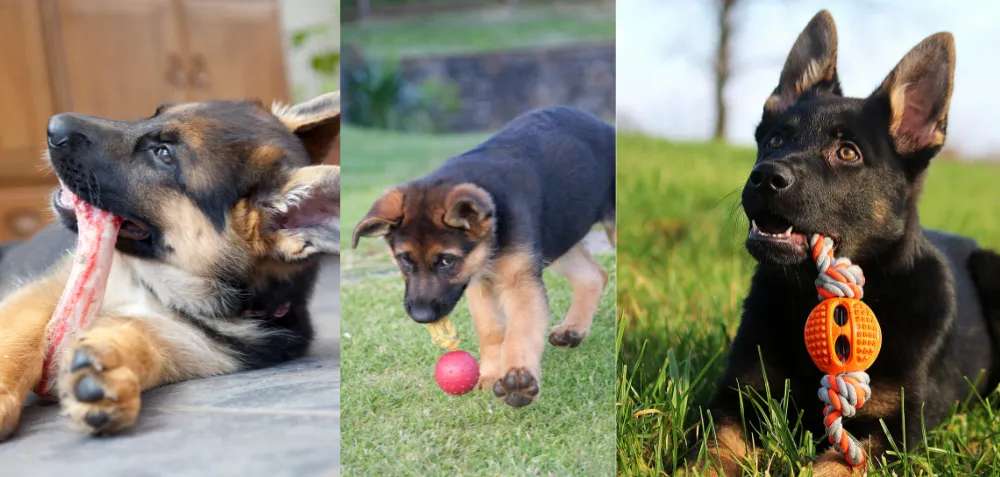
The Ultimate (and Slightly Exhausting) Guide to German Shepherd Puppy Care by Age
So, you’ve brought home a tiny, fluffy, land shark—err, I mean, a German Shepherd puppy—and now you’re realizing that this adorable ball of energy is basically a four-legged tornado with teeth. Fear not, brave human! This guide will walk you through every stage of your pup’s life, from "Why does everything I own have bite marks?" to "Wow, my dog is smarter than me."
We’ll cover:
- Feeding (because these pups eat like they’re training for a hot dog contest)
- Training (so your shoes survive puppyhood)
- Health (because vet bills are not a fun surprise)
- Socialization (so your dog doesn’t think the mailman is an alien invader)
Let’s dive in—before your puppy chews through another charging cable.
Newborn to 8 Weeks: The "I’m Just a Potato with Legs" Phase
At this stage, your German Shepherd puppy is basically a snuggly, squeaky potato that can’t see or hear for the first two weeks. Momma dog does most of the work, but if you’re hand-raising them (bless your soul), here’s what you need to know.
Feeding: Milk, Milk, and More Milk
- 0-4 weeks: Puppies are milk vampires, nursing every 2-4 hours. If mom isn’t around, use a puppy milk replacer like PetAg Esbilac—not cow’s milk (unless you enjoy explosive puppy diarrhea).
- 4-8 weeks: Time to wean! Mix high-quality puppy kibble (like Royal Canin German Shepherd Puppy) with warm water or milk replacer until it’s mushy. Think of it as puppy oatmeal.
Health: Tiny Body, Big Parasite Potential
- Deworming: Puppies are basically worm hotels. Your vet will deworm them at 2, 4, 6, and 8 weeks.
- First shots: At 6-8 weeks, they get their DHPP vaccine (distemper, hepatitis, parvo, parainfluenza). Parvo is no joke—keep them away from dog parks until fully vaccinated!
Socialization: Getting Used to the World (Without Freaking Out)
- Handle them daily—gently! This prevents future vet visits from turning into WWE matches.
- Introduce new sounds (vacuum, doorbell) so they don’t grow up thinking the blender is a demon.
8-16 Weeks: The "I Bite Everything and Have Zero Shame" Phase
Ah, the land shark era. Your puppy now has razor teeth and the energy of a caffeinated squirrel. This is when training becomes critical—unless you want your couch to look like it lost a fight with a woodchipper.
Feeding: Growing Like a Weed
- 3-4 meals a day of large-breed puppy food (e.g., Purina Pro Plan Puppy Large Breed).
- Avoid overfeeding—German Shepherds are prone to hip dysplasia, and chubby puppies = future joint problems.
Training: Teaching Them Not to Be a Tiny Tyrant
- Potty training: Take them out every 2-3 hours (and after naps, meals, playtime… basically, always). Praise like they just won an Olympic gold medal when they go outside.
- Bite inhibition: When they chomp your hand, yelp like a dramatic soap opera actor and redirect to a chew toy.
- Basic commands: Start with "sit," "stay," and "come." Use treats—these dogs are highly food motivated (i.e., they’ll do anything for a snack).
Socialization: Meeting the World Without Losing Their Mind
- Introduce them to:
- Different people (hats, sunglasses, beards—they’ll freak out if you don’t).
- Other vaccinated, friendly dogs (avoid dog parks until they’re fully vaccinated).
- Random objects (umbrellas, skateboards, balloons—so they don’t think the world is out to get them).
Health: More Shots, Less Parvo
- Booster shots at 10-12 weeks (DHPP again).
- Rabies vaccine at 12-16 weeks (required by law in most places).
- Flea/tick & heartworm prevention (e.g., Simparica Trio).
4-6 Months: The "Why Is My Puppy Suddenly a Teenager?" Phase
Congratulations! Your puppy now has the attention span of a goldfish and the rebelliousness of a human teen. This is when they test boundaries (and your patience).
Feeding: Still Hungry, But Less Messy
- 3 meals a day ? 2 meals a day by 6 months.
- Chew toys are a MUST (e.g., KONG Puppy Toy)—unless you enjoy finding teeth marks in your furniture.
Training: Reinforcing Rules Before They Become a 70-Pound Menace
- Leash training: Start now, or they’ll drag you down the street like a sled dog.
- "Leave it" command: Critical unless you want them eating rocks, socks, or your TV remote.
Health: Spay/Neuter Talk
- Large breeds (like GSDs) often benefit from waiting until 12-18 months to spay/neuter to avoid joint issues. Talk to your vet!
6-12 Months: The "I’m Basically an Adult (But Still a Goofball)" Phase
Your puppy now looks like a full-grown German Shepherd, but mentally? Still a derpy, playful kid.
Feeding: Switching to Adult Food
- Transition to large-breed adult food (e.g., Hill’s Science Diet Large Breed).
Training: Advanced Obedience (Because They’re Too Smart for Their Own Good)
- Recall training (so they don’t ignore you at the dog park).
- Agility or advanced tricks (these dogs love having a job).
Exercise: Burn That Energy or Suffer the Consequences
- 1-2 hours of activity daily (walks, fetch, training).
- Mental stimulation (puzzle toys, scent games) to prevent boredom (and destruction).
12-24 Months: The "Okay, Now You’re Actually an Adult" Phase
Your German Shepherd is now fully grown (but will still act like a puppy sometimes).
Final Tips for a Happy, Healthy GSD
- Annual vet checkups (hip & elbow screenings if breeding/working).
- Keep training fun—these dogs thrive on mental challenges.
- Invest in a good harness (e.g., Ruffwear Front Range) to protect their neck.
Final Thoughts: You’ve Survived Puppyhood!
Raising a German Shepherd puppy is equal parts exhausting and rewarding. They’ll test your patience, destroy a few shoes, and steal your heart—but in the end, you’ll have a loyal, brilliant, and loving companion for life.
For more breed-specific tips, check out the German Shepherd Dog Club of America.
Now go enjoy your (mostly) well-behaved GSD—and maybe hide your shoes, just in case. ?
